

Why drink Merlot?
For the same reasons as ever—because it's "Merlot," and you have a dish that goes great with it

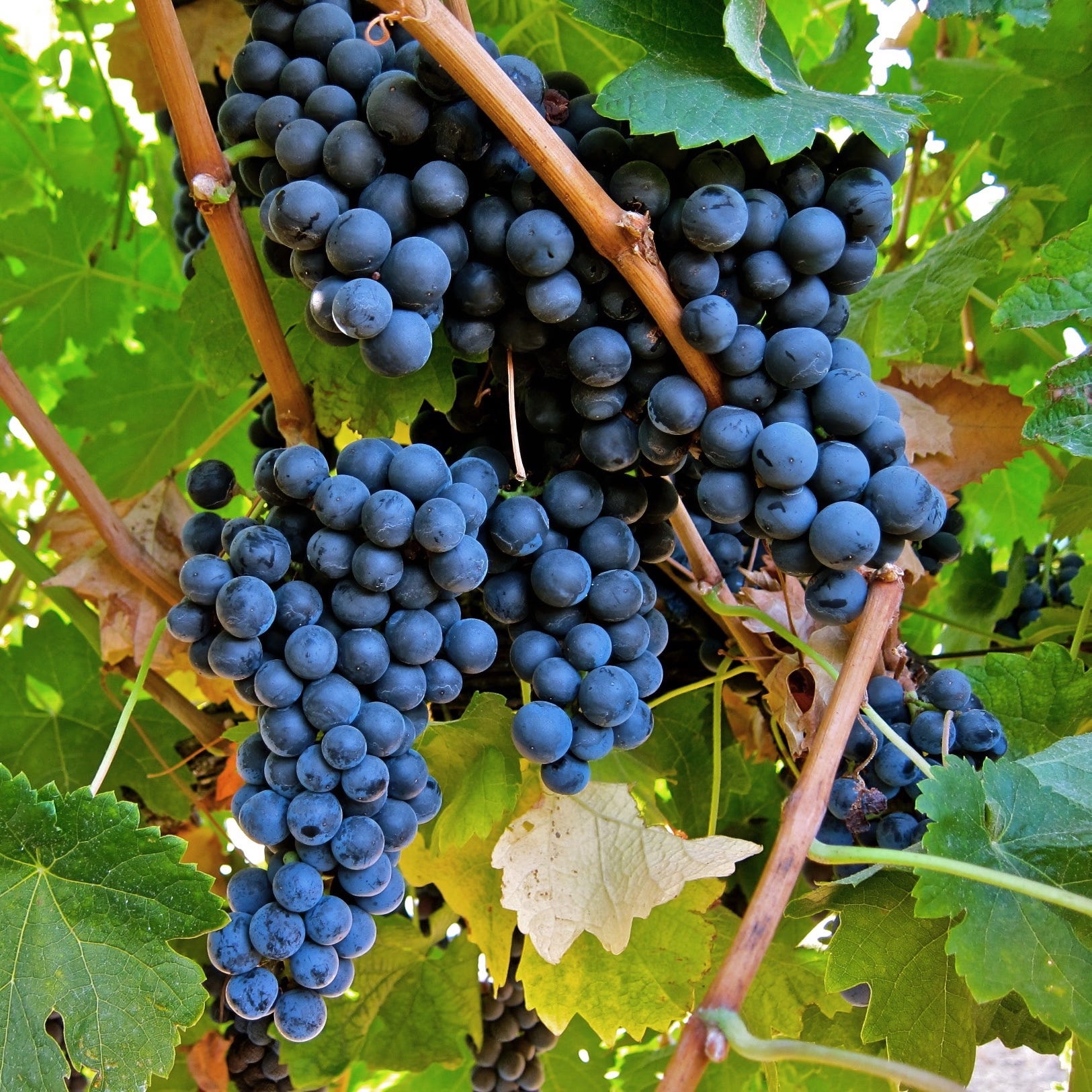
While winter is waning, days are still short, and senses around the house remain heightened. Especially the smells of cooking spices and roasts emanating from the kitchen; while from the table, the rich, velvety taste of a good red wine is calling to you. A wine like Merlot.
Remember Merlot? The varietal red that, just 25 years ago, looked liked it was well on its way to becoming America’s favorite red wine? Somewhere along the line, of course, that plan got derailed—somewhat. Merlot still remains among America’s more popular varietal wines, along with Chardonnay, Sauvignon Blanc, Cabernet Sauvignon, Pinot Noir and Zinfandel.
It did not help, though, to have that smarmy main character in the movie Sideways (2004) screaming at the top of his lungs, I am NOT drinking any f— Merlot! Despite that setback, the appeal of Merlot never completely subsided for many consumers.
Which is a good thing, and a bad thing. It’s good, because many post-Sideways consumers got into the habit of exploring other varietals; besides Zinfandel and Pinot Noir, also Syrah and Petite Sirah, Tempranillo and Graciano, Carignan and Grenache, Cinsaut and Sangiovese, Malbec and Cabernet Franc, Touriga and Tannat; while even somewhat obscure reds such as Trousseau, Mission, Blaufränkisch and Zweigelt are finding favor in their own limited ways. Consumers are branching out, no longer stuck on just five or six varietals.
This is also to say, consumers are becoming more sophisticated; and when consumers get sophisticated, the wine industry is forced to produce more variety of even higher quality wines. Everybody wins because growers and winemakers get better at what they do, while consumers get what they’ve always deserved—more and better wines.
The bad thing about the fading interest in Merlot, though, is that all the qualities that made the grape so popular in the first place—the round, velvety smooth textures, the drippy, luscious, full bodied flavors—never went away either. Good wine is good wine no matter what anyone says or thinks. When the popularity of Merlot was first on the rise in the American market, it may have been overrated. Now it’s underappreciated.
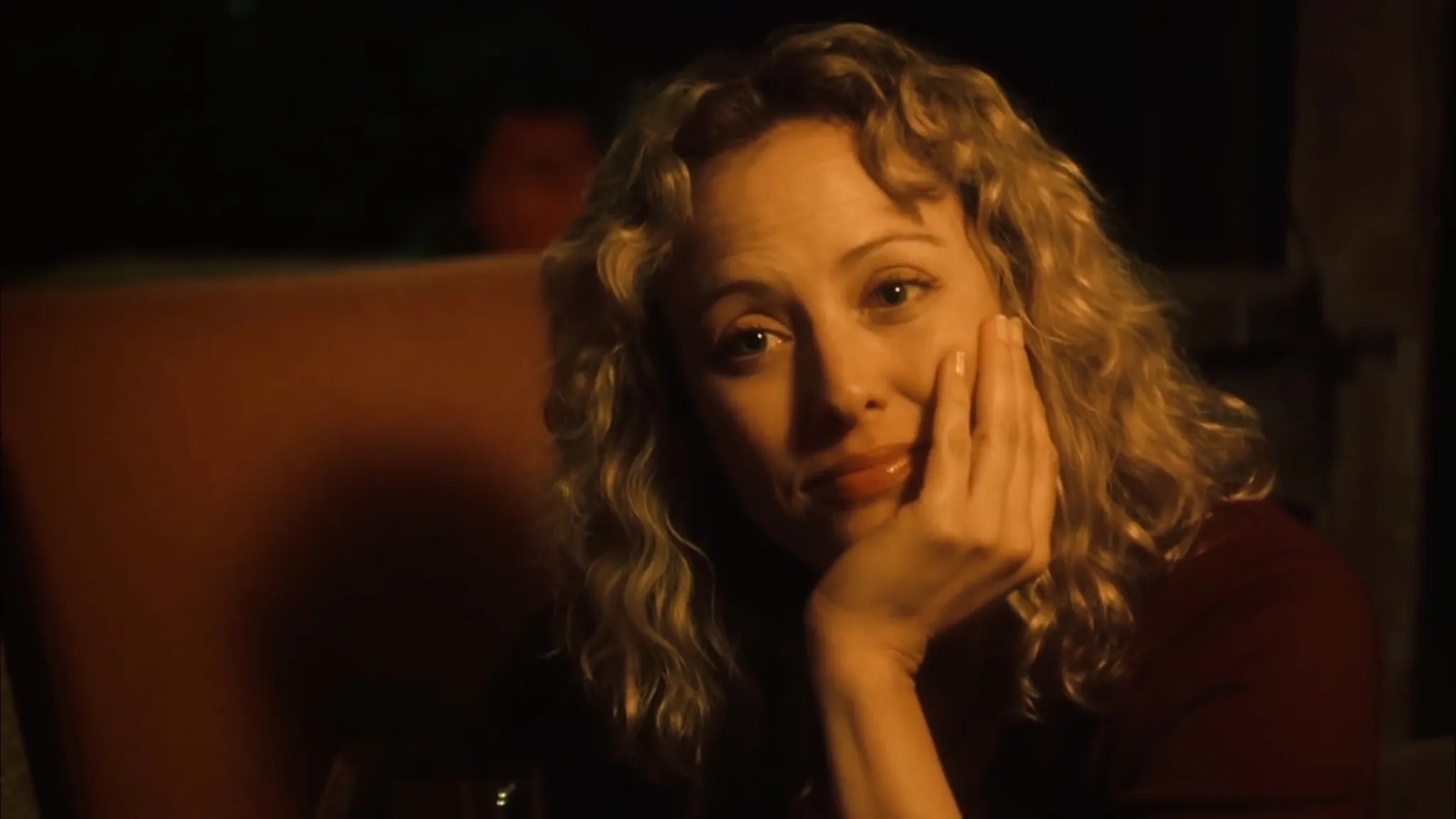
So maybe it’s time to “rediscover” the joys of Merlot? Think of it this way: Remember the way, in Sideways, the character of Maya (played by Virginia Madsen) seemed to eat up the camera as night fell, candles flickered and wine soaked conversation got deeper and deeper, saturated in passion, both human and vinous? This is what a good Merlot can do for you: It is a wine that can set fire to any moment; probably better than most wines, since it has the weight without the unyielding hardness of most Cabernet Sauvignons, the sumptuous feel without the elusiveness of many Pinot Noirs, and the richness without the brute strength of many (though not all these days!) Zinfandels.
Personally, after all these years, I’m still a little fussy about Merlot. I want them to taste like “Merlot,” not chunky like Cabernet Sauvignon or Malbec, not light, sharp or herby like Cabernet Franc. Meaning, I prefer them fairly full yet round, fleshy and opulently fruited, without being drying or oaky (many are still overoaked), or annoyingly soft and mushy to the point of sweetness. Classics, to me, are still Duckhorn and Swanson grown in Napa Valley (or Pahlmeyer, Plumpjack and Raymond Reserve—if not Washington’s Leonetti or Long Shadows—if price is no object).
For best buys, I’ll take brands such as Thomas Fogarty, Opolo, Ancient Peaks, Pomar Junction, Alexander Valley, McNab Ridge, Steven Kent or J. Lohr—all of which will give you the sensory satisfaction every true-blue Merlot lover craves. Plenty of bang for the buck, and there are plenty more like that out there. It’s a good time to be a Merlot lover.
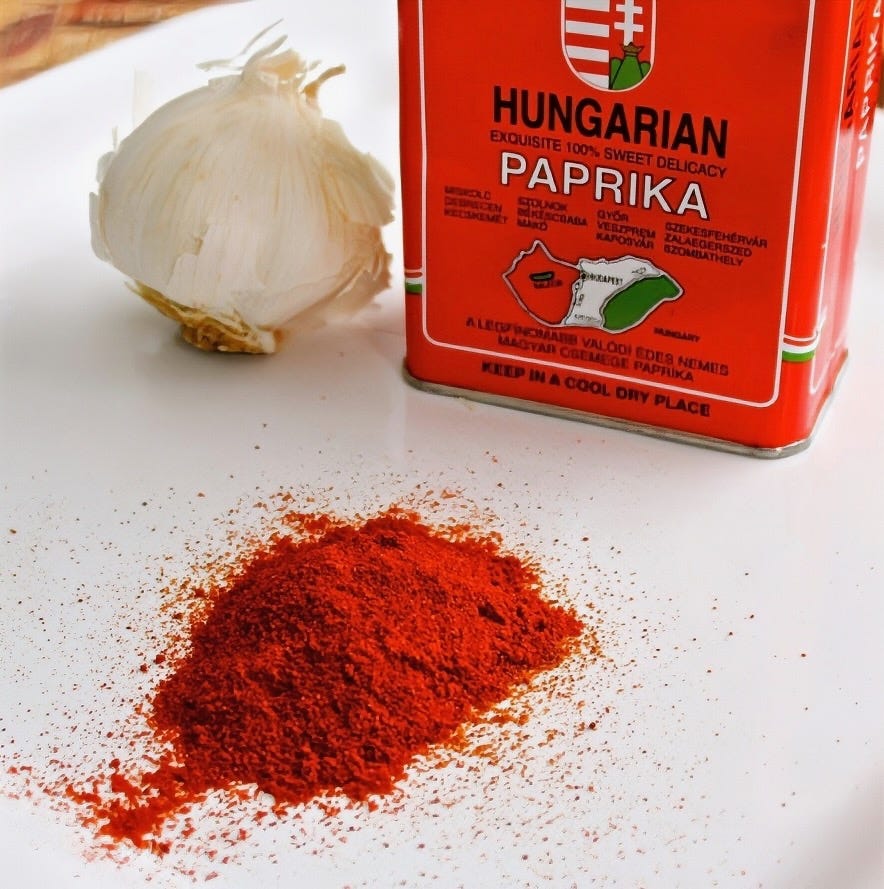
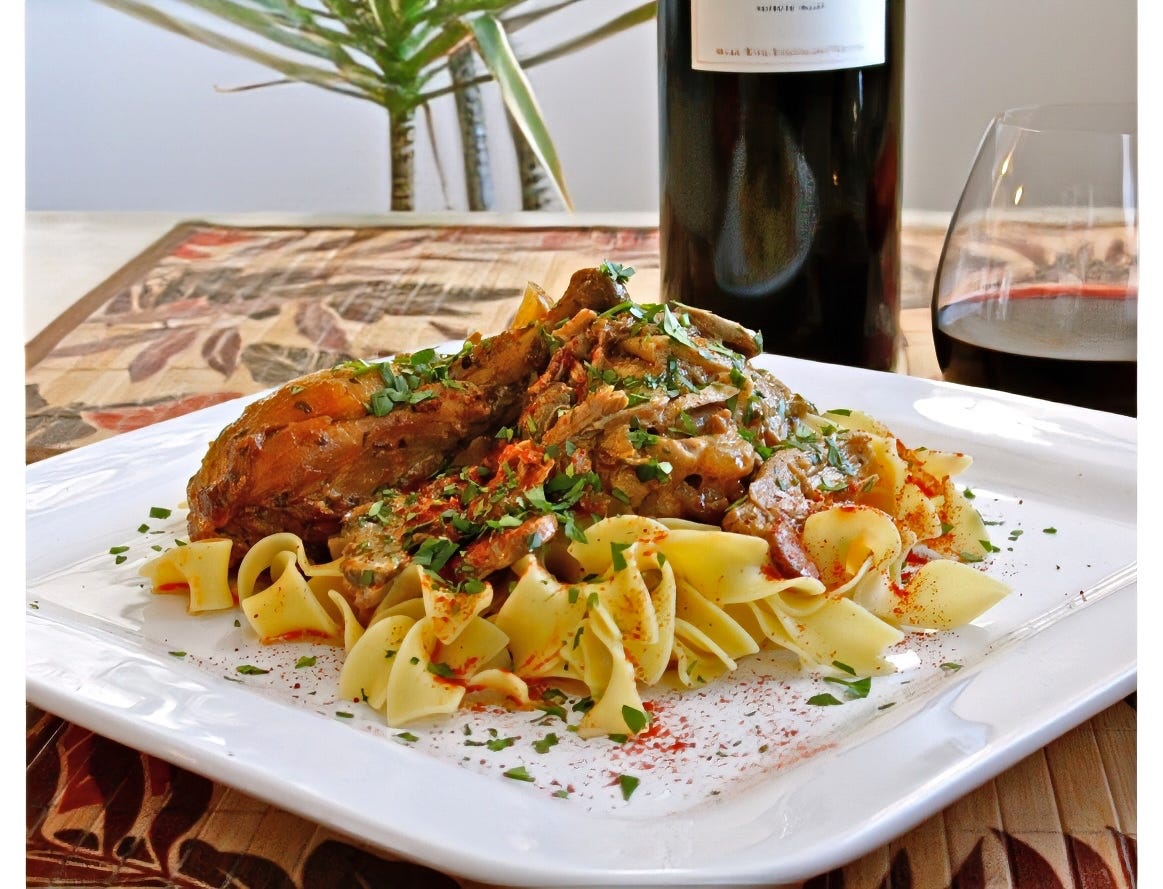
According to the late Roy Andries de Groot—a renowned epicurean, magazine journalist and book author of bygone days (particularly the ‘60s and ‘70s)—one of the finest matches for Merlot based red wines is the classic Hungarian dish, chicken paprikas. Baron de Groot actually recommended a château bottling from Pomerol in Bordeaux, made primarily from Merlot (for a fine example, I’d recommend one of several vintages of Château Gombaude-Guillot stocked by Kermit Lynch Wine Merchant, although wine.com always offers more than a few good, albeit pricey, choices).
The following is an adaptation of de Groot’s recipe from his edition of Esquire’s Handbook for Hosts (published in 1973). Our version, unlike de Groot’s, doesn’t call for browning in goose fat, since we seldom have on hand. It is the luxurious braising in onions and mildly spiced paprika chile that builds up the layers of flavor, accentuated at the very end by dollops of sour cream, which unerringly brings out the sumptuous profile of a good Merlot.
Try it. If you appreciate good, sound, seamless wine and food matches, you’ll love this dish with Merlot...
CHICKEN PAPRIKAS
(serves 4)
1 whole 4-5 lb. chicken, disjointed (thighs and back necessary for flavor)
3 tbs. unsalted sweet butter
1 lemon
2 large sweet onions, finely chopped
2 cloves garlic, peeled and chopped
6 large white mushrooms, thinly sliced
4 thin slices pancetta (or two strips thick bacon), cut in small squares
½ cup white wine
¾ cup chicken stock
Half bunch Italian parsley, chopped
Hungarian sweet paprika
Olive oil
Ground peppercorns and salt to taste
1 pint sour cream
10-12 oz. wide egg noodles
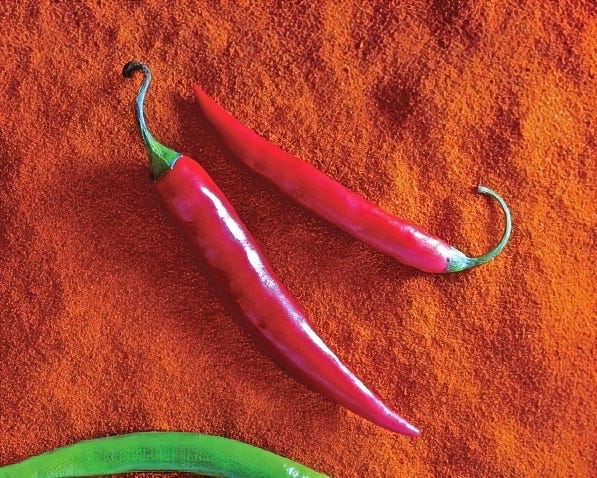
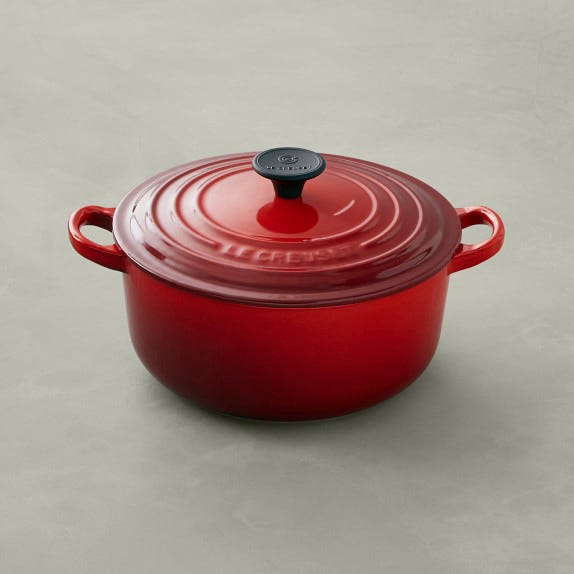
Rub chicken pieces with salt and juice of halved lemon, and set aside. In a large pot (preferably cast iron or Le Creuset), brown pancetta or bacon with drop of olive oil over medium heat. Add butter, and when melted sauté the onions and garlic until wilted.
Add paprika (2 to 3 tbsp.) and stir into onion mix until it attains a fiery red color. Immediately add chicken pieces two or three at a time, browning them until both sides are impregnated with the paprika. Add sliced mushrooms, followed by white wine (burn off some alcohol), and then chicken stock.
Lower temperature, cover pot with lid, and let it simmer for about 45-60 minutes, smelling the wafting perfume while enjoying your glass of Merlot. By now, a lot of you may have a football game or television news going on. Not me. I’ve turned up the volume of singers with sensuous, velvety—that is to say, Merlot-like—voices. Think Billie Holiday, Ella Fitzgerald, Diana Krall, Norah Jones or Madeleine Peyroux. Those are my musical equivalents.
Remove chicken pieces, and stir in sour cream until the sauce reaches a creamy consistency, adjusting seasonings to taste. Add back chicken pieces, stir in most of chopped parsley, and over low temperature let pot stew for final ten to fifteen minutes while egg noodles are boiled al dente.
When noodles are drained, place in large, wide bowl and coat with half of paprika cream sauce; lay chicken pieces over noodles and top with rest of sauce. Garnish with rest of chopped parsley, and serve.
Great read. Bought the first bottle of Merlot in my life recently at ElevenEleven in Napa as we were struck by the exact experience you describe: “round, velvety smooth textures, the drippy, luscious, full bodied flavors”
Really enjoyed this defense of Merlot! The point about it being underappreciated now after being overrated is legit. I actually tried a Duckhorn last year at a tasting and it had that exact smooth-but-not-mushy quality that makes sence for pairing with rich food. That chicken paprikas recipe looks killer too, I've only had it once at a Hungarian spot in Chicago but it was unforgettable.