


The “pre-umami” days
When I started as a full-time restaurant wine professional in the late ‘70s and early ‘80s, we never used the term “umami.” Just like we never used the French word for “sense of place,” terroir.
Yet we knew, and appreciated, wines for where they were grown⏤the impact of natural conditions of appellations and vineyards on sensory qualities of wine. Maybe because we didn’t need a word for something considered a priori. Implicit.
We were also highly conscious of at least five of the basic sensations⏤sweet, sour, bitter, salty, and hot or spicy⏤in the foods we ate, the dishes we prepared. And their impact on the wines we drank with those dishes. Especially in restaurant settings, where, as a sommelier, my number one goal was to find wines that enhanced the cuisine of my chefs.
I wanted to be good at my job; mostly by amplifying the culinary experience of guests, thus increasing sales and, ultimately, my own salary.
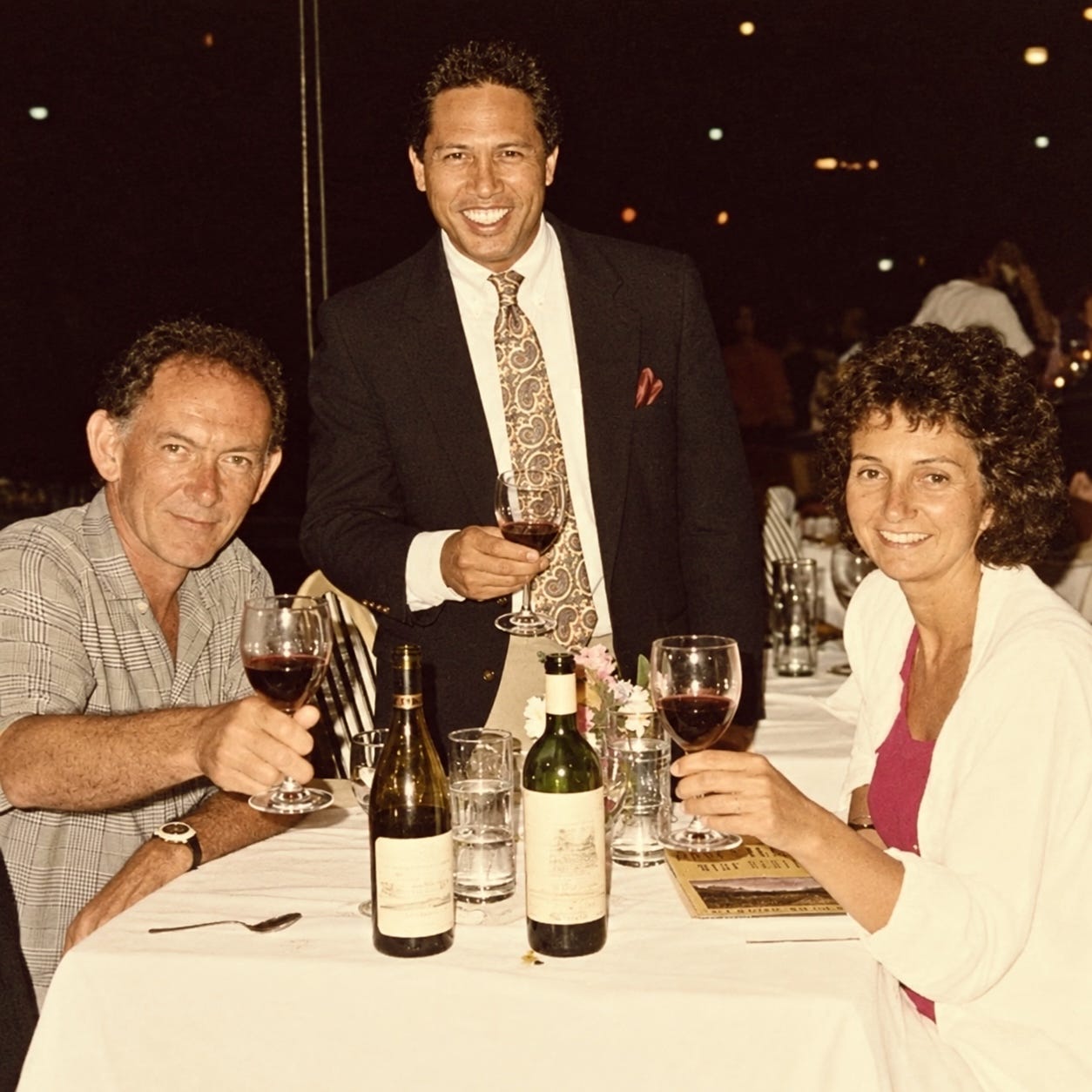
The salary part, in the early days, was an uphill battle. I had to work two jobs, day and night, to support my growing family (four kids, all born between the late ‘70s and mid-‘80s).
It was also uphill because:
1. Restaurant cuisine wasn’t fully realized; even while knowing all along that the better the cuisine, the more appreciative the guests... and the more wine you sell.
2. None of us, really, understood exactly how wines complement food, and vice versa. We were at the lower end of a learning curve.
Yes, of course, we knew the basics, like how saltiness can be balanced by sweetness (we sold tons of German qualitätswein in those days), or how bitterness can be smoothed over by increased tannin in wine. And so on.
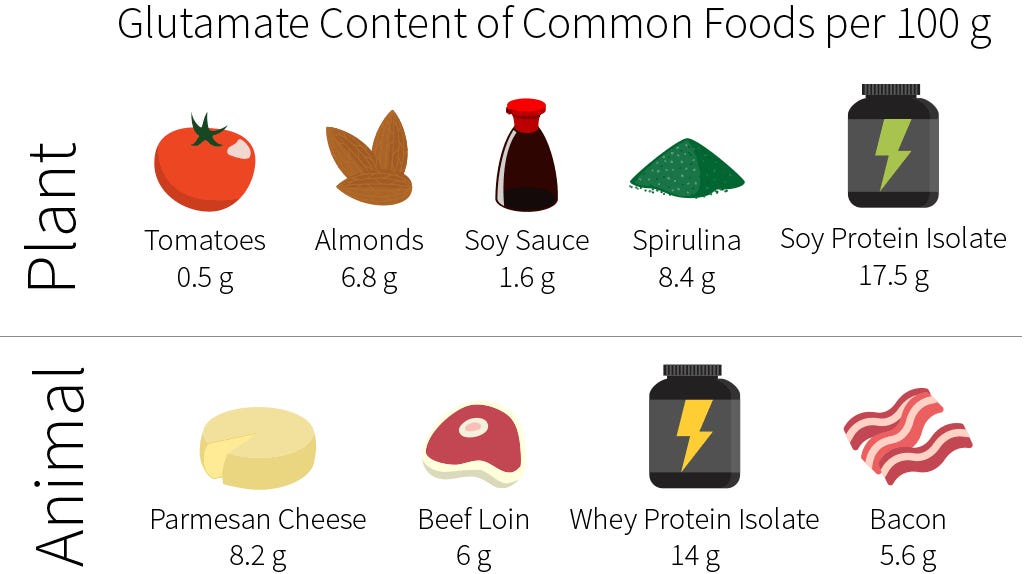
But I submit: We were never really prepared to comprehend, let alone appreciate, the effects of umami in the dining experience until we began to work with dishes that were deliberately, and even aggressively, balanced with high umami ingredients. That is, ingredients and sauces incorporating high amino acid components, or glutamates.
Before that time⏤I would say, towards the end of 1980s⏤for the most part my chefs and I avoided high umami ingredients in our menus and wine lists. Our reasoning: Strong umami was more common to Asian cooking which, in fact, was based on the principles of balancing hot, sour, salty, sweet, bitter and savory (i.e., umami) sensations.
In the white tablecloth restaurants I worked, we associated wines as we knew them with European cuisines⏤mostly French, to a lesser extent Italian, and only occasionally German⏤and therefore made the logical conclusion that we are better off conceiving matches for classic styles of wine by sticking strictly to Western cuisines with which wine cultures originally evolved
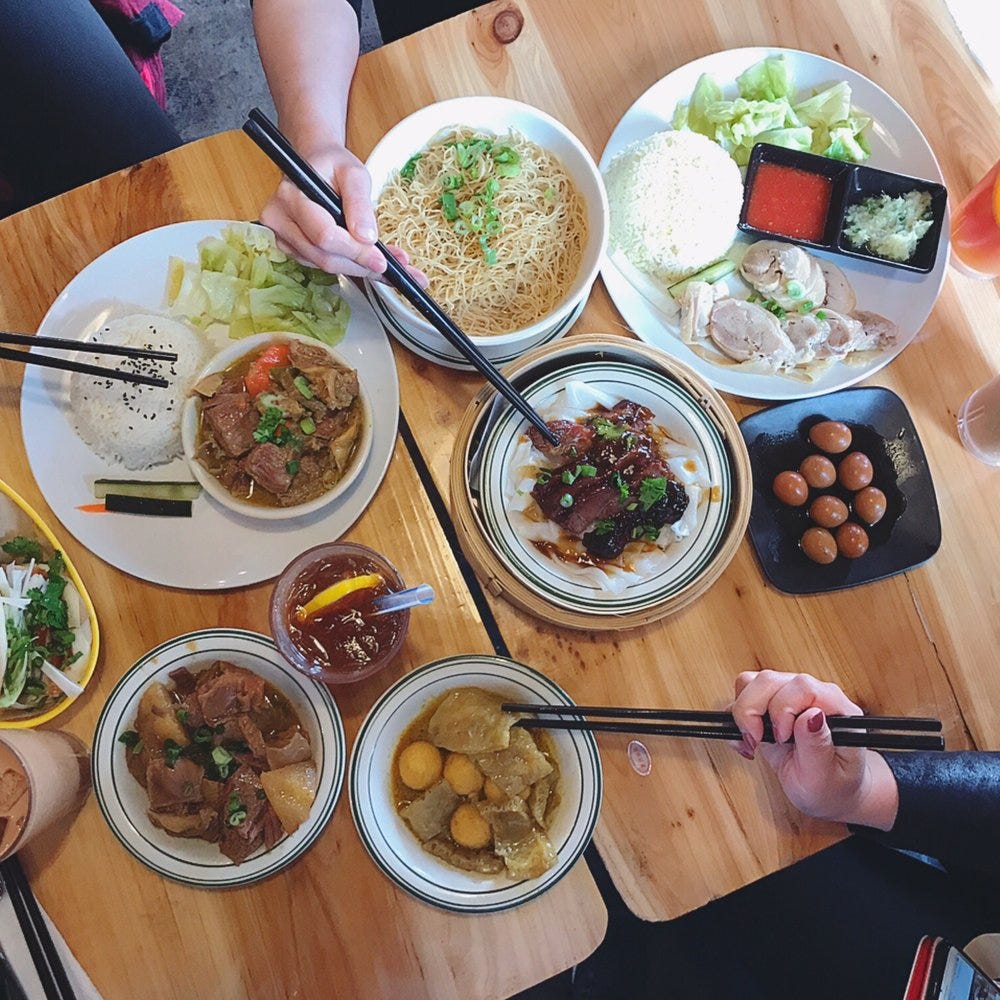
In fact, I spent nearly the first 10 years of my career as a sommelier scratching my head and wondering: How the hell do we fit the wines that we love with the foods that we actually ate outside the four walls of the restaurant? Seeing that I was living and working in the Melting Pot culture known as Hawai’i, most of what we ate was either purely Asian or fusionist (blending of ingredients of multiple Asian origins in any given dish) in nature.
The culinary turning point
If you are wine and food savvy, by now you already know when we turned a corner: During the second half of the 1980s when, almost all of a sudden, it became “okay” for chefs to incorporate Asian⏤global, really⏤ingredients in the cuisines served in “fancy” (in Hawaiian slang, high maka maka), fine dining restaurants.
Before then, the idea of “fusion” really was, well, for the plebeians⏤the foods enjoyed by everyday people in drive-ins or at carnivals, in their shopping mall food courts, or of course, at home, where our parents instinctively threw something like soy sauce into, say, gravies made from packaged brown gravy powder to make our loco moco taste mo’ bettah; or added Chinese or Indian spices (often both!), if not bottled Filipino or Vietnamese sauces, to Japanese or Korean vegetables tossed into a wok with slivers of pork or good ol’ American beef to make a stir fry or fried rice.
After all, the foods eaten by real people all over the world⏤be it France, Italy, Spain, Brazil, Mexico, Australia, Japan, China, from Southeast Asia, the Middle East, India, Africa, North America, virtually everywhere⏤were always, historically, fusions of multiple cultures and cuisines evolved over centuries. Make that millenniums. Nothing to see here, folks.
In the fine dining world, as it were, it was only inevitable that leading, influential chefs such as Puck, Yamaguchi, Trotter, Matsuhisa, Tetsuya, Vongerichten, et al. began adding anything and everything, particularly in French influenced cooking. Not just in America, of course, but all over the world. The mid- to late-‘80s was almost like a Big Bang in the culinary world.
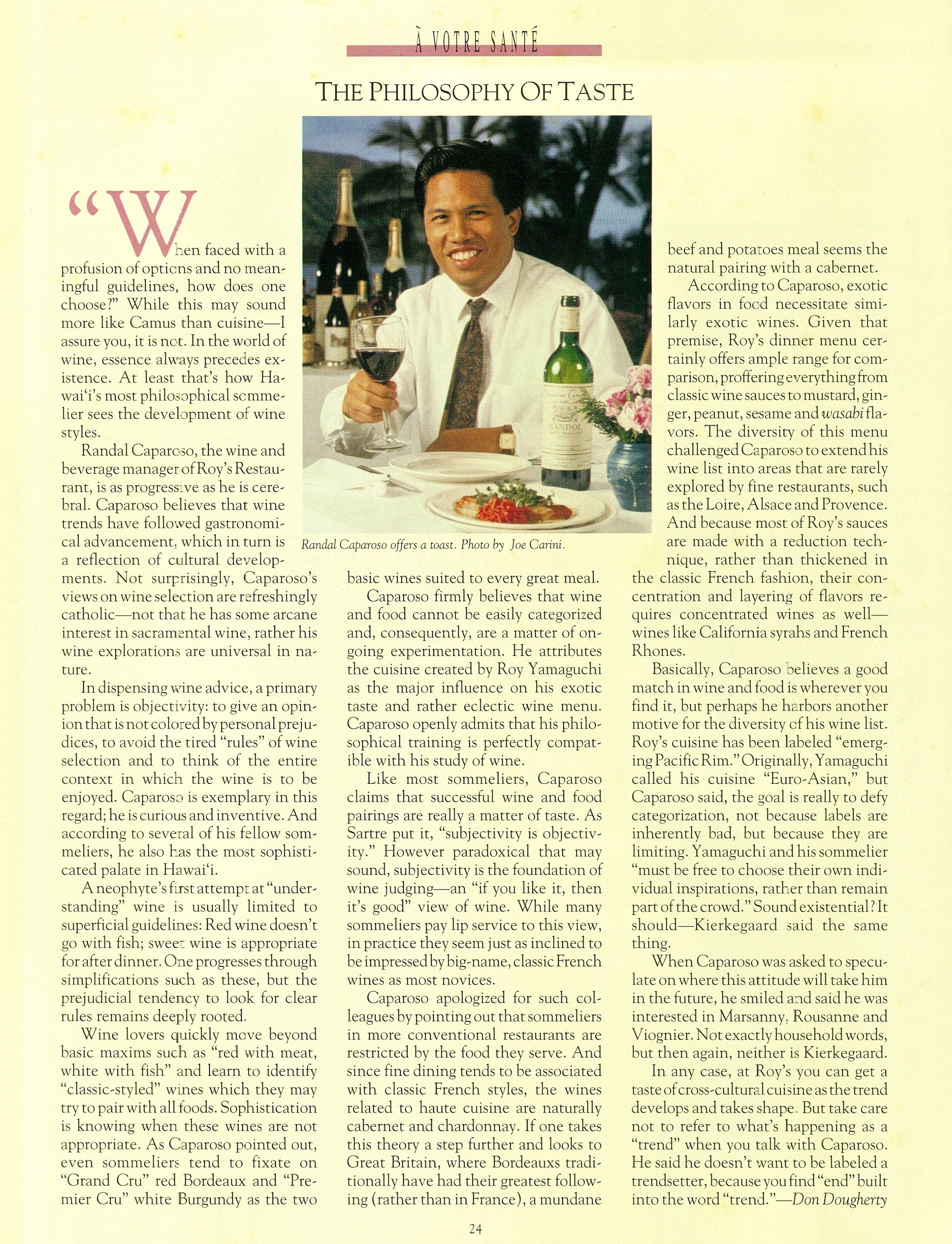
The key, as always, was balance. As long as you were balancing hot, sour, salty, sweet, bitter and savory sensations in dishes, you were okay. Binding the ingredients in classic French sauces or vinaigrettes only heightened the exhilaration of cross-cultural cooking.
This culinary explosion absolutely, positively had an impact on not only what we were doing in restaurants, but also on the wine industry itself. In wine regions all over the world, vintners began to produce wines of higher quality and variability. Essentially, to keep up with what consumers needed for what they were actually eating, thus buying. Food sophistication, in fact, was growing a lot faster than wine sophistication—something even many sommeliers were falling behind on.
The “sense of balance” we identify in wines we find favorable today is a far cry from how it began in the modern era, when being “big” or simply intense were usually perceived as better. Consumers began appreciating better balanced wines a good 20, 30 years ago; and as usual, they were always far ahead of the critics and conventional media in general on those preferences. They still are. Whereas wines are still rated on the basis of intensity, most consumers think more in terms of specific tastes regardless of intensity.
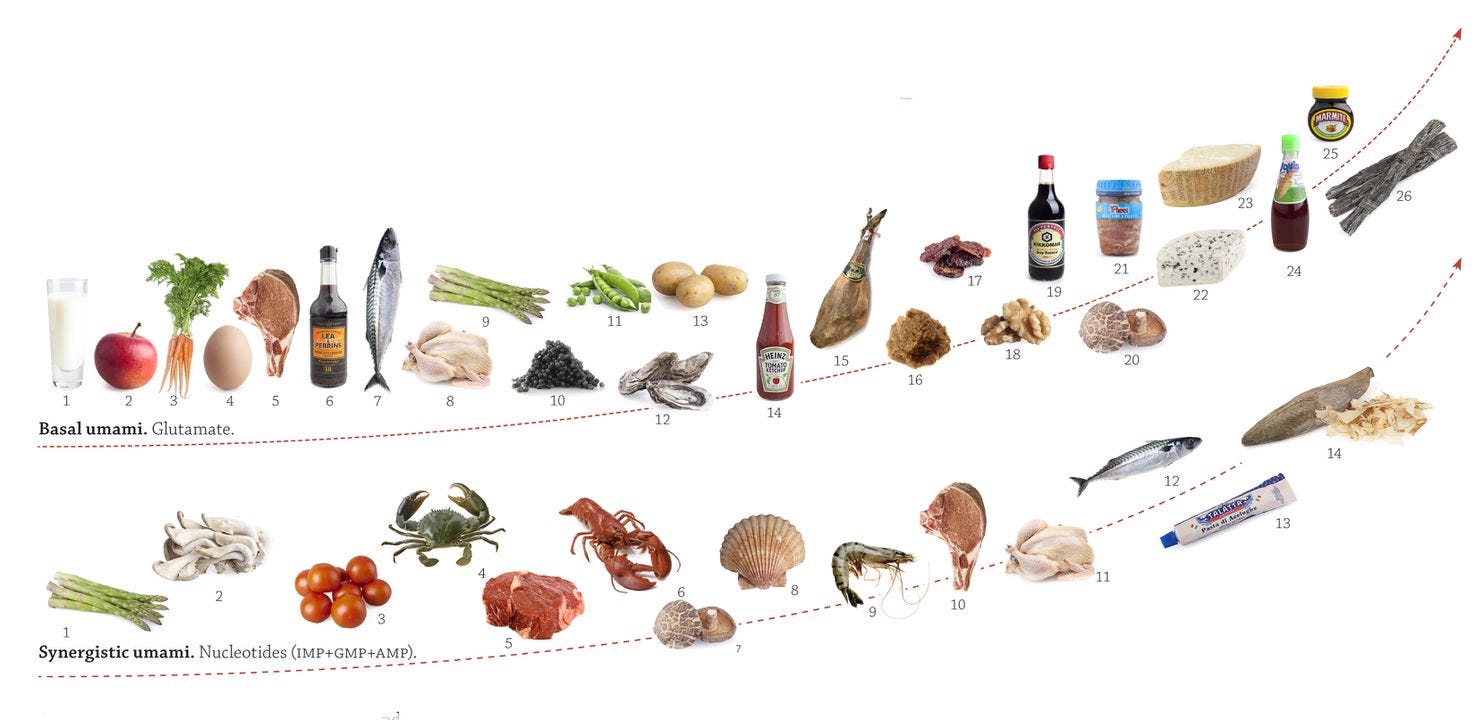
In restaurants, the presence of multiple forms of glutamates in dishes now driven, or bound, by savory sensations gave rise to a different consciousness. We could, for instance, begin to present the option of “red wine with fish” to guests, knowing full well that if your chefs employed high-umami ingredients, it not only made sense to suggest Pinot Noir, balanced styles of Cabernet Sauvignon or any number of zesty, spicy red varietals or blends for, say, preparations of tuna, salmon or even oysters and other seafoods, these wines usually tasted better than most white wines to most people⏤whether they were aware of the reasons or not.
We began, in other words, to base our recommendations on the ramifications of umami. Subsequently, culinary schools began incorporating the concept in their classes. Most wine geeks and conventional writers took another 10, 20 years longer to recognize, let alone appreciate, the impact of umami⏤particularly the significance of savory components in red wines, which became more and more perceptible in commercial bottlings once they began to evolve into more balanced permutations (i.e., more restrained alcohol, tannin and oak). But kicking and screaming, both the wine and culinary worlds have been dragged into this conversation, and we’ve all been better off for it.
We can now appreciate umami.
Writing about the impact of umami
As a sommelier, and then as a multi-unit restaurant operator, the direct impact of umami could be gleaned in my wine list content, especially after the mid-‘80s: For me, Bandol, Pinot Noir, Lemberger, Savennières, Riesling or Pinot Gris and Pinot Blanc became just as significant as Cabernet Sauvignon, Chardonnay, Merlot, Sauvignon Blanc or White Zinfandel. In fact, in the context of the Asian and fusion influences in our cuisine, these wines became more significant.
As a writer⏤I had my first major newspaper bylined column published in 1981⏤addressing the topic of umami came around a little more gradually, but I posted my first full-fledged piece on the subject in a November 2004 post entitled Deconstructing Umami, published in the pioneering online platform called WineLoversPage (est. 1994, when PCs were just beginning to become household items).
Over the past 20-plus years I’ve rewritten the same piece several times. For good reason: Continuous experiences of umami make a never-ending, useful conversation. The latest version…
Putting umami to good use (with wine)
When you think of the many food and drink combinations that seem like the most natural in the world—such as coffee and donuts, sushi and beer, rare tuna and light red wines, green tea and red bean mochi cakes, and even hot dogs with ketchup or a bag of corn chips downed with a classic cola—the assumption is these combinations work well because of the way various sensations of sweetness, saltiness, sourness, bitterness and occasionally hot spiciness come together in some kind of harmony and balance. For the most part, that’s what happens.
But some time ago, food scientists came to another conclusion as to why we unconsciously enjoy so many combinations based upon the recognition of the distinct sensory component called umami, found in many of the things (hot dogs, cheeseburgers, corn chips, raw tuna, red wine, green tea, Japanese beans, sushi, et al.) that we love to eat.
The taste of umami is less obvious than sweet, salty, sour, bitter or chili spice sensations. Umami more often manifests itself as an overall reaction on the palate to certain foods and beverages rich in amino acids, whether attained through cooking processes or activated by high amino acid ingredients already existing in certain foods. It is not, however, a textural quality (hard, soft, smooth, crunchy, etc.), but rather a “savory,” “delicious” or somewhat “meaty” feeling sensation.
According to the Japanese chemist (named Kikunae Ikeda) who made the first formal identification of umami back in 1908, umami is one of only two sensations (along with sweetness) that the palate perceives as pleasant. Sensations of salt, sour and bitter, on the other hand, are not pleasing in themselves, except when digested in moderation or experienced in the context of other sensations.
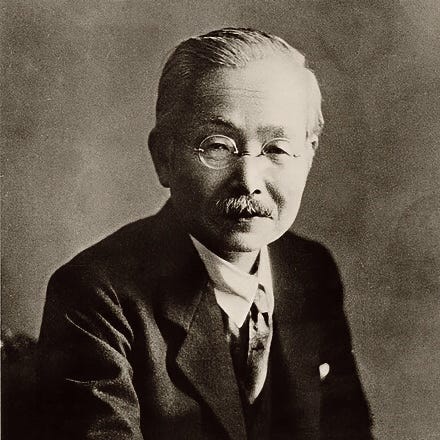
A common demonstration of umami’s outwardly pleasing taste is a pinch of MSG (monosodium glutamate)—essentially a sodium consisting of glutamic acid originally manufactured from seaweeds (now made from plant-based ingredients) to stimulate high amino acid umami sensations—mixed into lukewarm water. What the palate feels is a stimulation of saliva, alerting the taste buds and tactile senses, giving a mouth-watering effect while boosting aroma-related sensations of flavor. Umami, in other words, enhances flavor, and can even make the blandest foods taste “delicious.” In fact, this is a reason why MSG is a key ingredient in many of our commercial packaged foods.
Lest there be any further misunderstanding when discussing umami: We are not just talking about a sensation found in foods or beverages. We are also talking about actual taste buds on the tongue that are particularly sensitive to umami, thus more likely to be stimulated by food components such as monosodium glutamate. Sugar tastes sweet, salt tastes salty, and high amino acid ingredients taste like, well, umami!
In recent years two American scientists named Charles Zuker and Charles Ryber have identified these specific taste bud cells as “T1R1” and “T1R3” (without, however, pinpointing any specific area of the tongue where they are located) which, working in tandem, create palate receptors sensitive to umami—particularly foods high in amino acids such as glutamates, which are amplified in combination with other organic molecules identified as nucleotides.
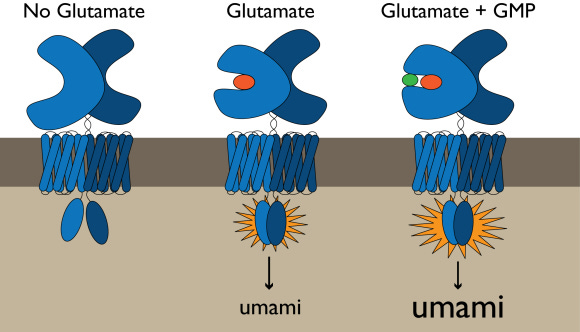
When it comes to foods and wines, the perception of amino acid compounds occurs in many instances. While the taste of wines is primarily driven by components that are easily understood, such as the sweetness of residual sugar, the bitterness of tannin or sourness of acidity, wines also contain small amounts of amino acid, which add to the sensations giving us distinct pleasure.
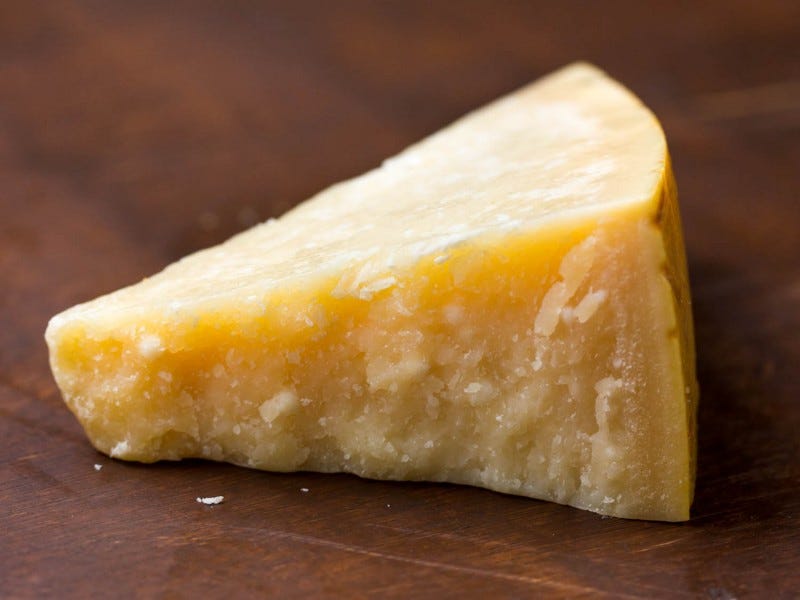
Two easily understood examples: Well matured cheeses such as Italian Parmigiano-Reggiano or Pecorino, and cured meats such as smoked bacon, lardons or pancetta—all commonly used by cooks or at the table by consumers to enhance the flavor of dishes. For instance, what is spaghetti in high umami tomato sauce without a heavenly shower of shaved Parmigiano?
Going further, what is a plate of spaghetti revved up by Parmigiano without a glass of light, zesty Chianti? Is it any wonder that this three-way combination of pasta, cheese and wine is a timeless, universal classic? The common thread is perception of umami.
You can say the same thing about crispy, smoky bacon and its perfect combination with breakfast eggs, the occasional cheeseburger, or a BLT. Or when you add Parmigiano, bacon or crisped bits of pancetta into your salad, or go to the trouble of mashing anchovy and cloves of garlic to make your own Caesar, you are essentially super-charging your leafy greens with… umami.
In restaurants, it’s about cooking processes as much as ingredients: Complex, slowly evolved stocks derived from chicken, veal bones and shellfish, as well as the reductive aspects of slow cooking, pot-a-feu (traditional French beef stews), nages (infused broths) and natural essences, are all elevated by concentrations of umami. Then again, so is the blatant appeal of chicken fried with secret recipes consisting of eleven herbs and spices. Wily professionals bind sauces, broths, and even vinaigrettes with umami-intense ingredients such as dried shiitake mushrooms, truffles, or vine ripened tomatoes; while an instant home cook might reach for cubes of bouillon (in which a primary ingredient is umami-stimulating MSG) to enhance a slow cooked dish.
In fact, the late, great, puristic Italian cookbook author Marcella Hazan made no bones about using il dado (the bouillon cube) to help turn “water into broth” in order to round out the taste of a soup or risotto. It’s not so much a matter of if-it’s-good-enough-for-Marcella-it’s-good-enough-for-me as simply about utilizing the benefits of umami. Life is good with umami in it.
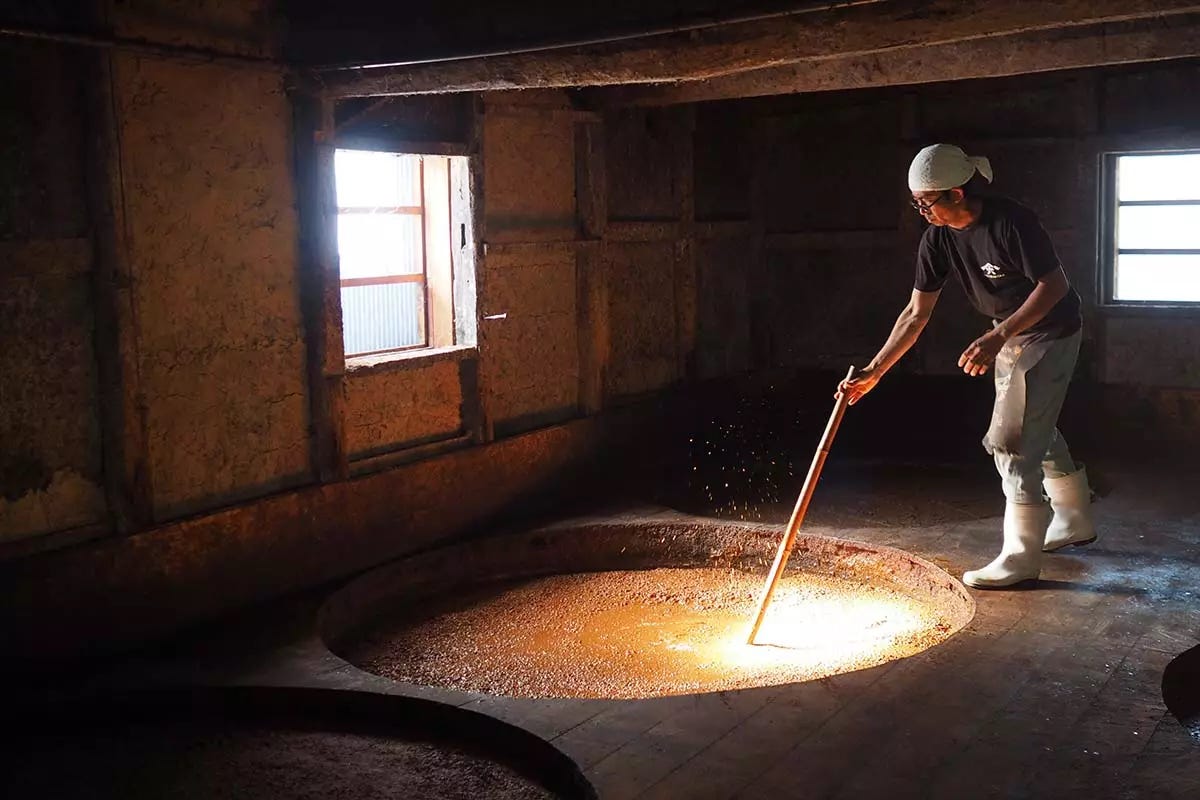
Not surprisingly, it is in Asian cuisines—in which ingredients and cooking techniques are often simple or understated, but very strong in the sum total of parts—that umami naturally plays a significant role. Soy sauce, for one, is chock-full with amino acids, as are seaweeds, dried fish and fish stocks, as well as basic seasonings such as Japanese shichimi and Chinese five-spice. Umami plays a restorative role when dashi (a broth made with bonito flakes and dried kelp) is added to Japanese dishes, and conducts the electrical reaction of a dish on the palate when fish sauce or sambal (chile paste) is added to Southeast Asian dishes.
The significance of umami when it comes to wine is multifold. It goes a long way towards explaining why certain wines—especially more complex and mature red wines in which amino acids are more in balance (that is, not buried by sensations such as oakiness or tannin) with other taste components—seem to naturally relate to more foods. According to Fernanda Cosme in Journal of Food Science & Technology: “The major free amino acids found in the most varieties of Vitis vinifera grapes are arginine, proline, alanine and glutamic acid. Usually the highest concentrations are found in amino acid in the berry (sic), its predominance is verified in grape skin for Vitis rotundifolia (i.e., muscadine) grapes (Lamikanra and Kassa, 1999).”
“In general,” adds Pekka Lehtonen (Determination of Amines and Amino Acids in Wine), “red wines contain significantly more amines (contained in amino acids) than do white wines... Red wine contains 300 to 1300 mg/L of the most abundant amino acid, proline, which means that proline accounts for 30% to 85% of the total amino acid content. Next in abundance are alanine, glutamic acid + glutamine, arginine, and y-aminobutyric acid.”
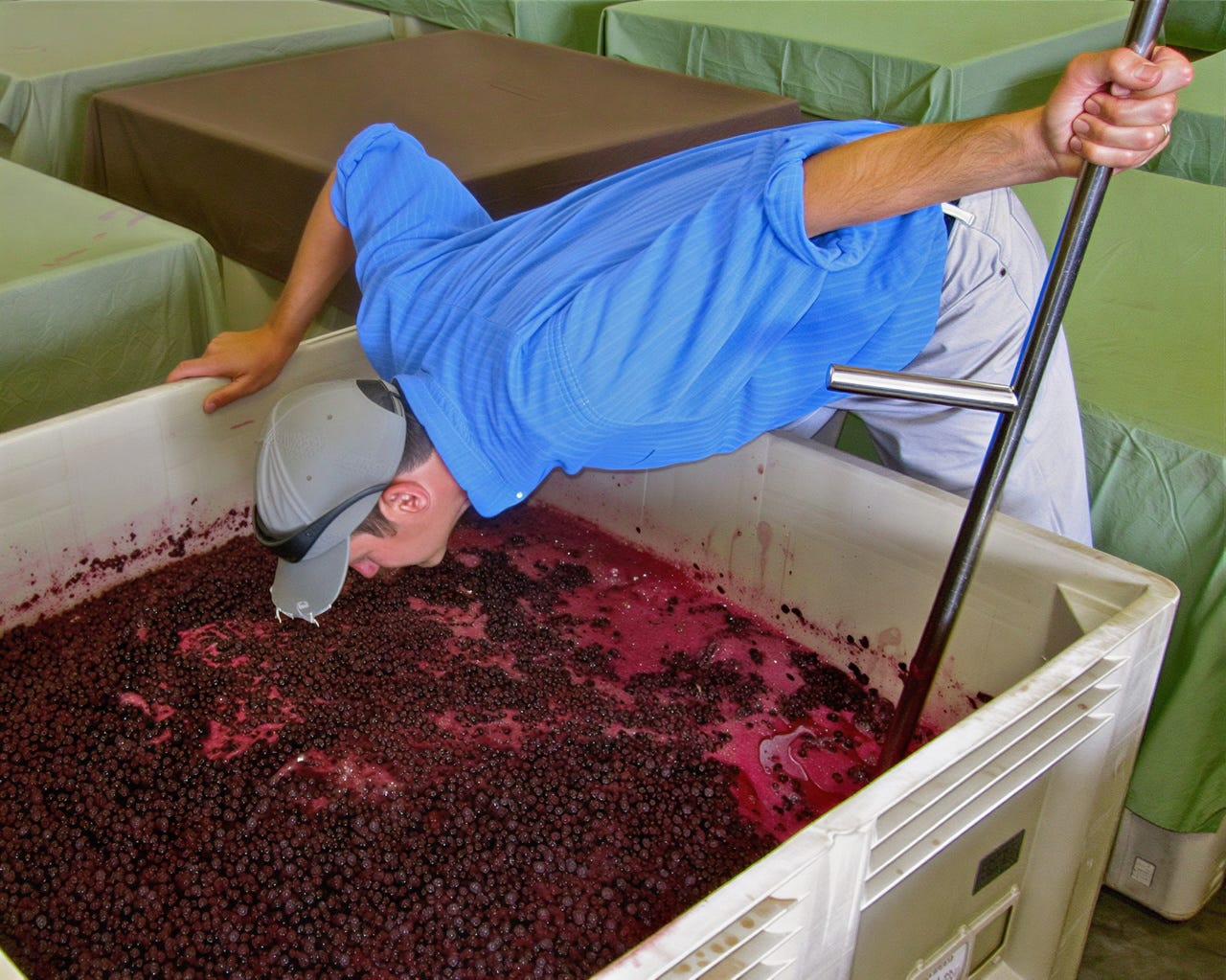
In plainer English, it is red wines—which, unlike whites, are fermented in contact with their grape skins where amines are concentrated—that are more likely to give the taste of umami. This is why lighter tannin reds such as a soft, fruity yet multi-spice scented Grenache (a.k.a., Garnacha), Cinsaut, Pinot Noir, Gamay, Schioppettino and even easier drinking styles of red Zinfandel, Mourvèdre or Petite Sirah seem to taste so good with, say, a wood grilled salmon or tuna steak. It also explains why smoother styles of reds are often amazingly simpatico with oysters, clams, mussels, squid, salt cod and other unlikely varieties of fish, especially in saffron laced bouillabaisse, bourride, cioppino, and other seafood broths.
Umami, in short, is the factor behind the feeling of epiphany often experienced by wine lovers when they first come to the realization that many red wines go better with seafood dishes than most white wines!
I experienced this myself in the early ‘80s when I came to the realization that a dish I had been eating all my life, Hawaiian style poke—cubes of raw tuna tossed in soy sauce, sesame oil (highly conducive to high umami ingredients), chopped sweet white and green onions, coils of fresh seaweed, and splashes of chili pepper water—was, in fact, very compatible with wine. At first, I thought the ideal match ought to be crisply acidic, slightly sweet German Riesling, which every saw, old and new, told us has all the balancing elements needed for salty/sweet/oily/spicy foods such as poke.
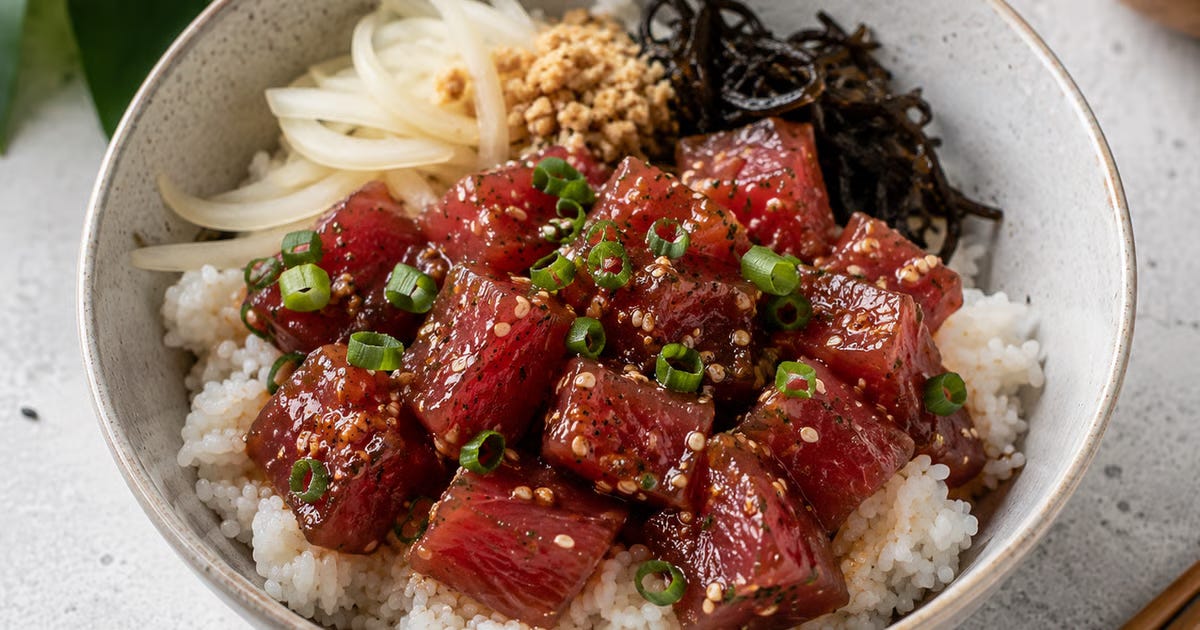
Then we began sipping Pinot Noirs with poke. It could be light, earthy red Burgundies, highly fruited, opulent California Pinots, leaner, tighter, slightly drying Oregon Pinots, it didn’t matter. No matter how ripe, underripe, or even oaky the Pinot, the red wines always said the same thing when consumed with poke: I taste better. Eventually it dawned upon us that it was the sensory connections between the wines and the savory elements in the soy sauce, the seaweed, alliums, and the glutamate and nucleotide-teeming red flesh of tuna itself. By the early ‘90s we could apply a word to it: Umami. And when you can finally talk about something—particularly when a sommelier communicates with a chef—you can make more conscious use of it.
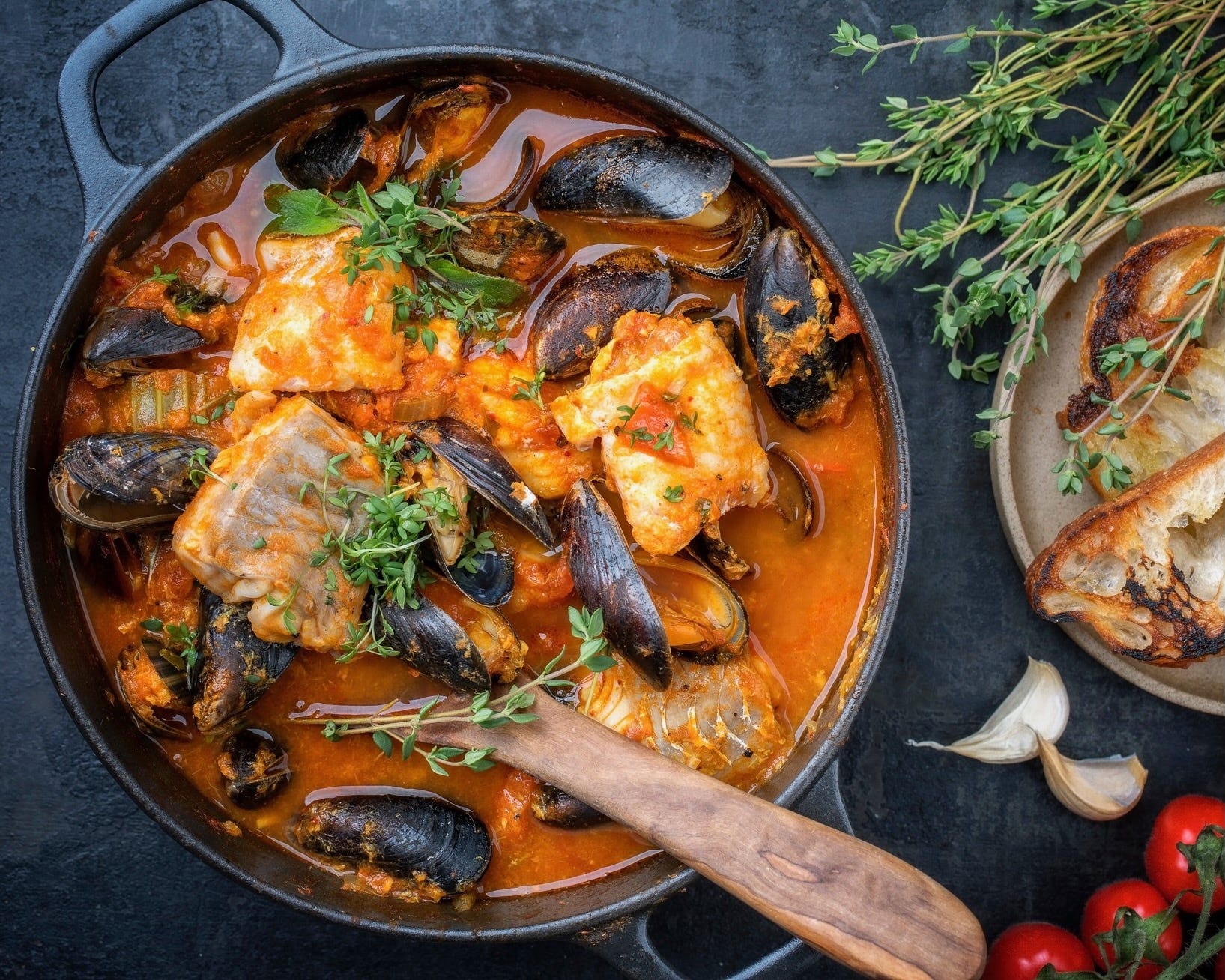
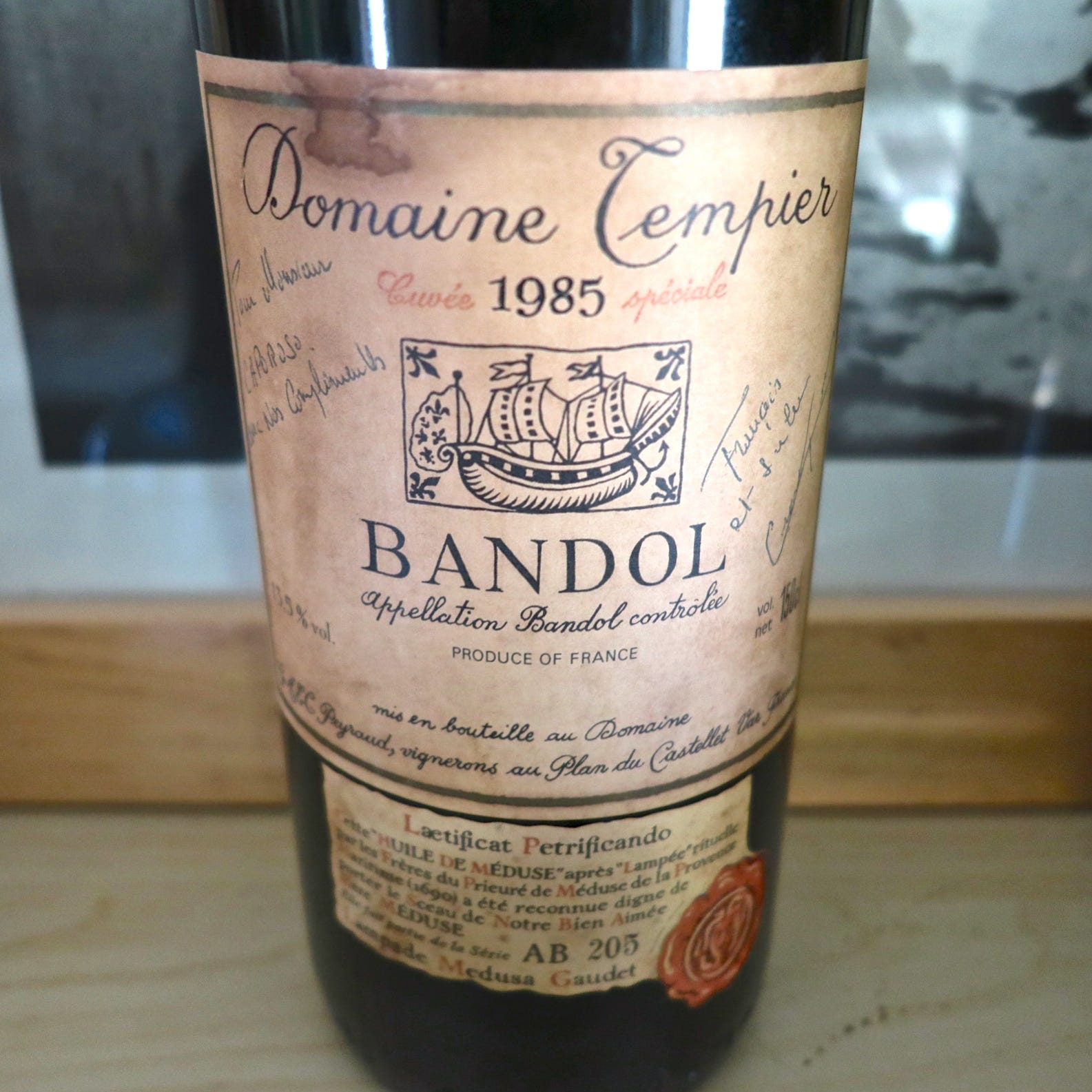
In the restaurant setting, I’d say this revelation hit some time around 1985, which was when I began working with Bandols grown by Domaine Tempier—Kermit Lynch’s archetypal wine, and an essence of the earthy, savory naturalness of Provence. A classic match for Bandol Rosé is bouillabaisse, a dish that was extremely popular when occasionally run off the menu as a “special,” particularly because use of fresh Pacific Rim seafoods gives this Mediterranean staple even more of a perfumed brininess. While we didn’t think of it in these terms at the time, bouillabaisse is inundated with such massive amounts of glutamates, it was honestly shocking to find that the red wines of Tempier—including denser, stronger yet still highly savory Mourvèdre based cuvées such as La Tourtine and La Migoua—made just as good a match with bouillabaisse as the estate’s legendary rosé. Not as refreshing, perhaps, but certainly more savory and exhilarating.
Although logic tells you that softer tannin red wines are more likely to complement seafoods than stronger tannin reds, I began to have my suspicions about that as well. Beaujolais crus, for instance, are made from Gamay noir, which is as low in tannin as it gets, and taste terrific with grilled salmon. But it still used to puzzle me that Beaujolais was never automatically “better” than, say, Bandol, Zinfandel or Pinot Noir with even stronger, brinier fish and shellfish mixes landing in bouillabaisse, cioppino, paella or Vietnamese style hot pots. Neither tannin nor acid levels in wine seemed to compute with how they measure up to actual foods.
So back around 1987 I gathered a small group of foodies in a chef-friend’s restaurant, where we conducted a fact-finding examination of the possibilities of pairing Cabernet Sauvignon—a blacker, heavier, typically oakier and high phenolic wine—with different foods. We tried salads, fish, mushrooms, game, beef, and even sweet/bitter chocolate desserts with a number of different Cabernet Sauvignons. Young and soft Cabernets, young and hard (high tannin) Cabernets, simple Cabernets, complex Cabernets, fruity Cabernets, earthy/leathery and strongly oaky Cabernets, plus an older, well-matured Cabernet. Some Cabernet Sauvignons worked better with certain dishes than others, but the one Cabernet that seemed to work better than all the others across the board was the richly matured, smooth and suave 10-year-old Cabernet Sauvignon, which happened be grown in Alexander Valley (where many Cabernet Sauvignons are inherently softer in tannin).
Why? We would come to attribute this to umami-like effects: More specifically, how the more mature, quietly balanced qualities of the well matured Cabernet Sauvignon allows its amino acid content to play a bigger role in drawing out more savory sensations on the palate, thus allowing it to embrace a broader range of food sensations—particularly dishes containing high umami ingredients (such as salads with ripe tomatoes, or meats and game in high amino acid stocks and sauces).
Thus, when it came to food preparations, the significance of umami began to determine how we chose many of our wines. Young, dense, strappingly intense Cabernet Sauvignons grown in the more shallow, phenolic-concentrating clay soils of Napa Valley, for instance, were always predictably good with simple cuts of wood charred beef. But if you braised beef with a myriad of seasonings and vegetables and served it in a complex natural reduction, you created a high umami flavor “bridge” that is less welcoming to belligerently tannic Napa Valley Cabernet Sauvignons, as good as they may be.
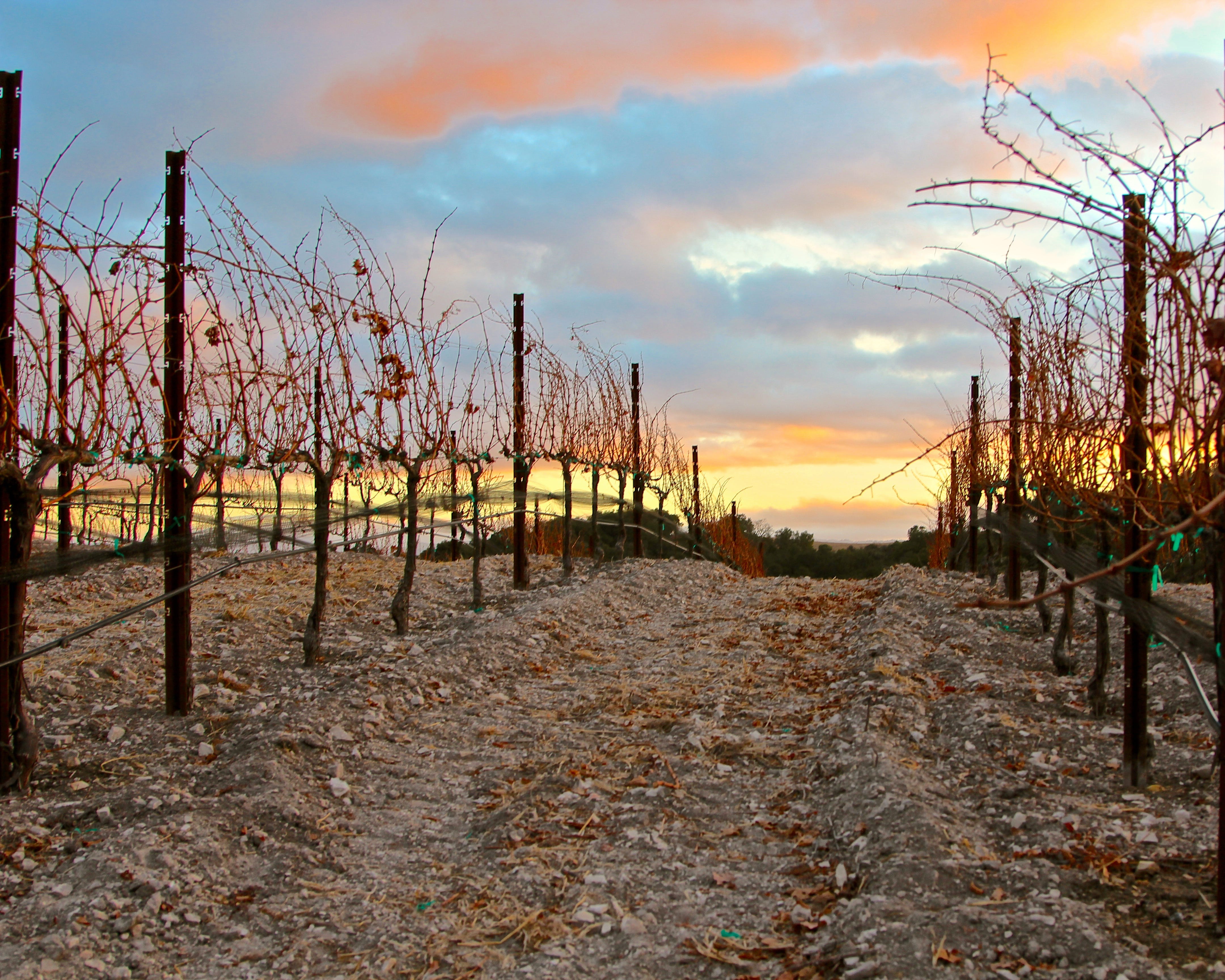
On the other hand, we have found that Cabernet Sauvignons grown in regions conducive to moderated phenolic content but with a good balance of acidity—for example, those grown in the calcareous soils of Paso Robles, the gravelly alluvium of Napa Valley’s Coombsville AVA, or higher vigor, deep, sandy loam soils in Lodi’s Mokelumne River—tend to allow more umami-related interactions than, say, more typical Napa Valley Cabernets Sauvignon grown in clay-dominant soils. Although this can be an advantage when it comes to braised beef and pot roasts, it can go much further. I once demonstrated the ease in which a dark, phenolic yet highly savory Adelaida District Cabernet Sauvignon cozies up to various shellfish dishes to a room full of over 400 wine professionals in Paso Robles. When dishes and wines are hooked up by umami like an electrical cord, the combinations work, even when Cabernet Sauvignons are still young and rambunctious.
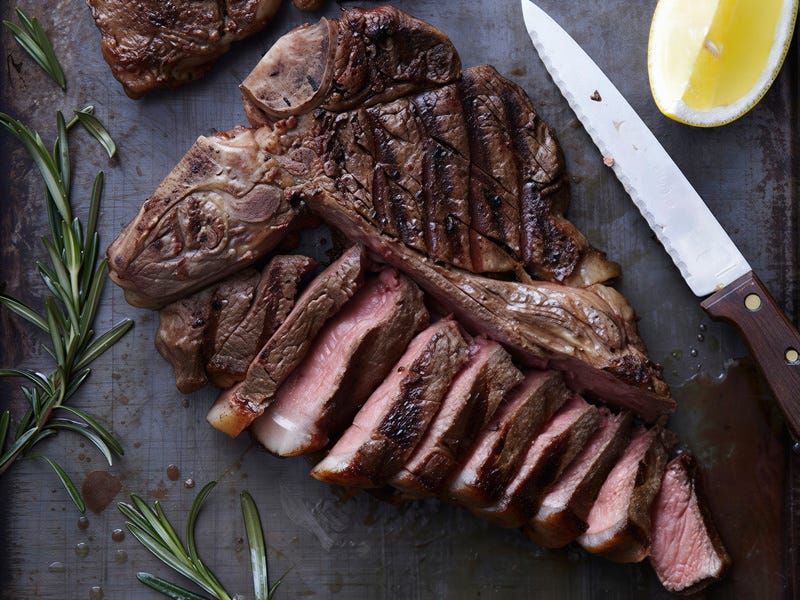
One commonly cited combination demonstrating a reverse effect of umami is something you find in Italy: Where lemon—a fruit that is devoid of umami—is traditionally squeezed on generously coarse salted bistecca alla fiorentina (beef raised and prepared in the traditional way of Tuscany) to activate salivation on the palate, and thus open up more complicated T1R1 and T1R3 receptors sensitive to umami. In this case, lemon juice balances salt, helps the palate absorb glutamate laced beef proteins and fats plus, just as importantly, mellows out bitter tannins and acid edges typical of forceful red wines made from grapes such as Sangiovese, even when blended with Cabernet Sauvignon. In this way, lemon activates amino acids otherwise buried under the strong tannin, acid and oak of heavy reds.
Salty beef, lemon and red wine may be an unorthodox combination outside of Tuscany, but it graphically demonstrates what happens when all the senses enhance perceptions of umami. Butter, which is also negligible in glutamate content, is another example of an ingredient that can help activate umami, especially in sauces; olive oil, which has more glutamate content, perhaps even more,
If you fancy yourself as more of a contemporary aficionado of beef, you might enjoy a more calculated match similar to the one I experienced just this past July (2026): A Cabernet Sauvignon grown in The Rocks District of Walla Walla Valley with a finely and thoroughly fatted slice of A5 Wagyu strip loin, in which the wine’s distinctly minerally, almost briny, savory earthiness—typical of red wines grown in this appellation’s terroir—struck a ringing chord with the downright umami-replete beef laced in a Cabernet infused jus.
Ultimately, of course, there is never any accounting for taste. Many people, for instance, regularly indulge in surfeits of umami such as ketchup slathered on eggs or rice; Japanese rice crackers such as senbei (brushed with soy sauce and seaweed) or nori maki (wrapped in seaweed); or regional oddities such as Vegemite (Australia), Rocky Mountain oysters (the Mountain West), chitterlings (Deep South), or lobster ice cream (New England). I may not abide any of it; then again, to me there is nothing like a sábado o domingo bowl of menudo—with either a salt rimmed margarita (when there is a bartender around) or good glass of soft, earthy Côtes du Rhône (at home). When it comes to degrees of umami tolerance, to each their own.
No one needs to understand exactly why umami works in foods or dishes, or in wine and food interactions; for the same reason sommeliers need not explain umami at the table. All the same, conscious use of umami in dishes and in wine selections is a crafty way to enhance guest experiences, which is all that matters.
Umami, remember, is also defined as “delicious.” If a combination of foods (that is, if you consider wine, as in the old European tradition, to be a “food”) tastes perfectly good, then for all intents and purposes it is good. That’s the umami way of thinking that has drastically changed the way we conceive foods and wines.
Very interesting to read this deep dive about umami. I’m only recently comfortable discerning Umami in wines and they are the flavors I enjoy the most about wine. The food and wine pairing sections were very informative. I’m doing a food and wine pairing event next month and this gave me great ideas to mix things up a bit and find alternative options beyond the basic pairings.
Oh those pre umami days 🌈⚡️